Now before I start I know that to the vegan community this topic might feel challenging, as wool often sparks debates around ethical and sustainable choices. However, it’s worth exploring how traditional wool production—especially the kind practiced by small-scale farmers and communities—can be more environmentally friendly than synthetic fibers. While synthetic materials are often marketed as vegan alternatives, they are essentially forms of plastic, with significant environmental consequences.
If you’ve ever wrapped yourself in one of your grandmother’s wool sweaters—hand-knitted, soft, and still in perfect condition decades later—you’ve probably wondered why modern wool garments don’t measure up. What makes those vintage treasures so durable, while newer wool sweaters seem to pill and wear out after just a few winters?
The answer lies in the careful craftsmanship, sustainable practices, and high-quality materials that went into making those garments. They never used synthetic fibers. But there’s more to it than that. Those garments carry cultural and ethnological significance, representing a way of life deeply connected to nature, community, and resourcefulness. Let’s explore it.
A Family Affair: Wool From Their Own Sheep
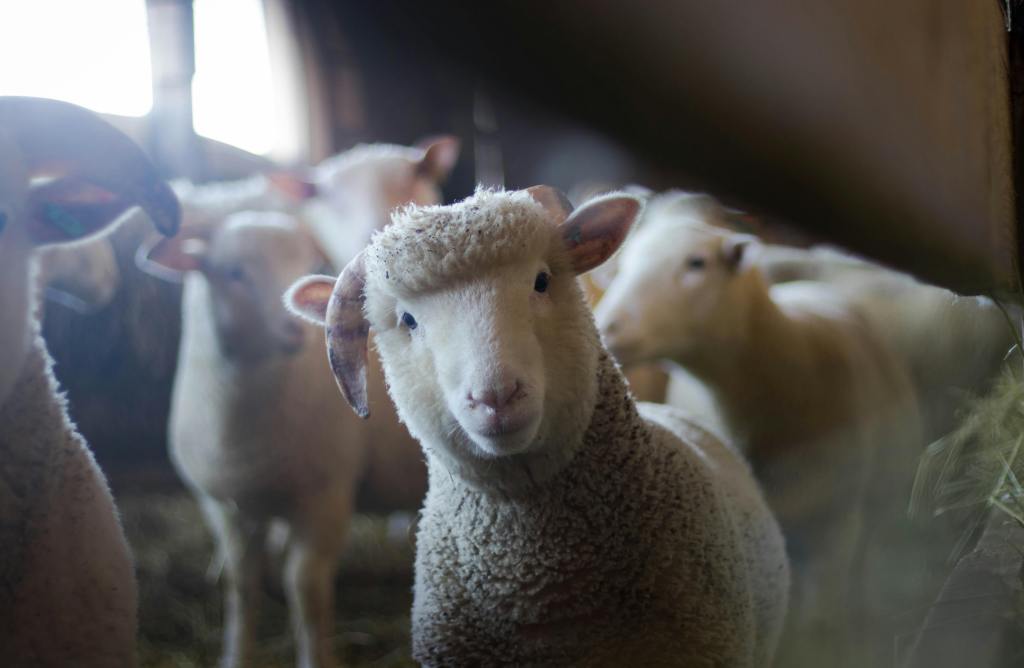
For many families in the past, raising sheep wasn’t just about tradition—it was about sustainability and survival. Sheep provided more than wool; they were a source of milk, meat, and even manure for crops. Their care required intimate knowledge of the land, the seasons, and the animals themselves.
In 1948, Bulgaria’s Communist government began collectivizing agriculture, forcing farmers to give up their land and livestock to state-run cooperatives. For rural communities, cattle and sheep weren’t just economic assets—they were symbols of identity and self-sufficiency, often passed down through generations.
The transition disrupted traditional ways of life, with widespread resistance as families were stripped of their independence. By the mid-1950s, most of Bulgaria’s agricultural landscape had been collectivized, leaving a legacy of resilience and loss that still resonates in family stories today.
During the 50s that government took my great grandfathers sheep away. The night the news came he was so terrified he slept in the barn. He was not scared that they will take his property, but his family… the day it happed he cried “like a little boy”. My grandmother still tiers up whenever she tells the story. “He would take care of them, talk to them as if they were his children. At one point as a kid I think I even got jealous…”
This was not an isolated incident. Many farmers built emotional connections to the animals they lived with, not only in the Balkan countries but all around the world
During my fieldwork research I had the opportunity to meet and talk to amazing people-many of them farmers who had similar relationships with the animals and nature in general. At one point I even met a lady who was arguing with her tomato plants… trust me it is not something unusual.
Wool from a family’s own sheep was treated with respect, as it was a product of both hard work and deep connection to their environment. This connection ensured that every step of the wool production process—from shearing to spinning—was done with care. Ethnologically, this reflects a self-sustaining lifestyle where nothing was wasted, and materials were cherished.
Contrast this with today’s industrial wool production, where sheep farming has become more mechanized and detached from individual communities. The focus has shifted from quality to quantity, losing the deep relationship between people and the resources they rely on.
In a way we lost it…
The Role of Craftsmanship and Community
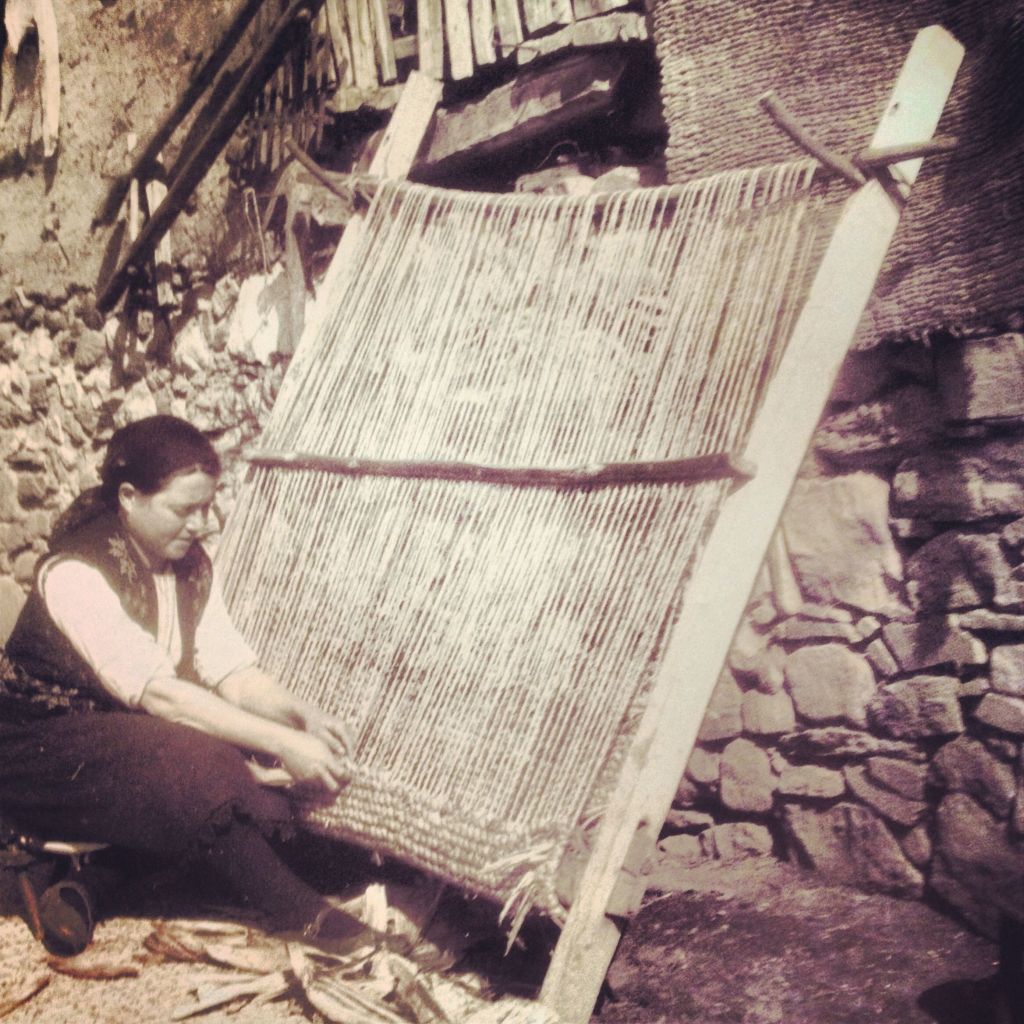
In many traditional societies, spinning and knitting were more than practical tasks—they were cultural rituals. Women often gathered to spin wool or knit garments together, passing down techniques and patterns through generations. These gatherings weren’t just about making clothes; they were about building community, sharing stories, and preserving cultural knowledge.
Your grandmother’s sweaters may have been made during such gatherings, where every stitch was imbued with intention and care. This collaborative, slow process created garments that were not only durable but also meaningful.
This highlights the communal nature of clothing production in the past, contrasting with today’s individualistic consumer culture. Mass-produced knitwear lack the personal touch and cultural significance that make handcrafted garments so special.
The Power of Natural Materials
Traditional wool production reflects a symbiotic relationship between humans and the environment. Wool, as a natural, renewable material, was processed with minimal intervention. It retained its lanolin—a "waxy substance that protects the fibers and makes them water-resistant and durable." (That’s right, I did my research 🙃)
From an ethnological perspective, using natural materials like wool was a way of adapting to the local climate. In cold regions, wool was essential for survival, offering warmth and protection. It was valued not just for its functionality but also for its connection to the land and the animals that provided it.
Today, synthetic fibers and chemical treatments have replaced many traditional processes, often at the expense of durability and environmental harmony. These changes reflect a shift in values, prioritizing convenience over the long-term relationship between humans and nature.

Sustainability as a Way of Life
In the past, clothing was seen as an investment. Garments were made to last, mended when they wore out, and passed down to future generations. This reflects an ethos of sustainability that was deeply ingrained in traditional societies.
From an ethnological standpoint, this approach to clothing aligns with a worldview that values resourcefulness and respect for the materials at hand. People worked within the limits of their environment, creating systems of use and reuse that were inherently sustainable.
Modern fast fashion, by contrast, often reflects a disconnect from these values. Garments are produced quickly, worn briefly, and discarded without much thought. Relearning the ethos of care and sustainability from older generations could be key to addressing the environmental challenges we face today.
Cultural Identity in Every Stitch
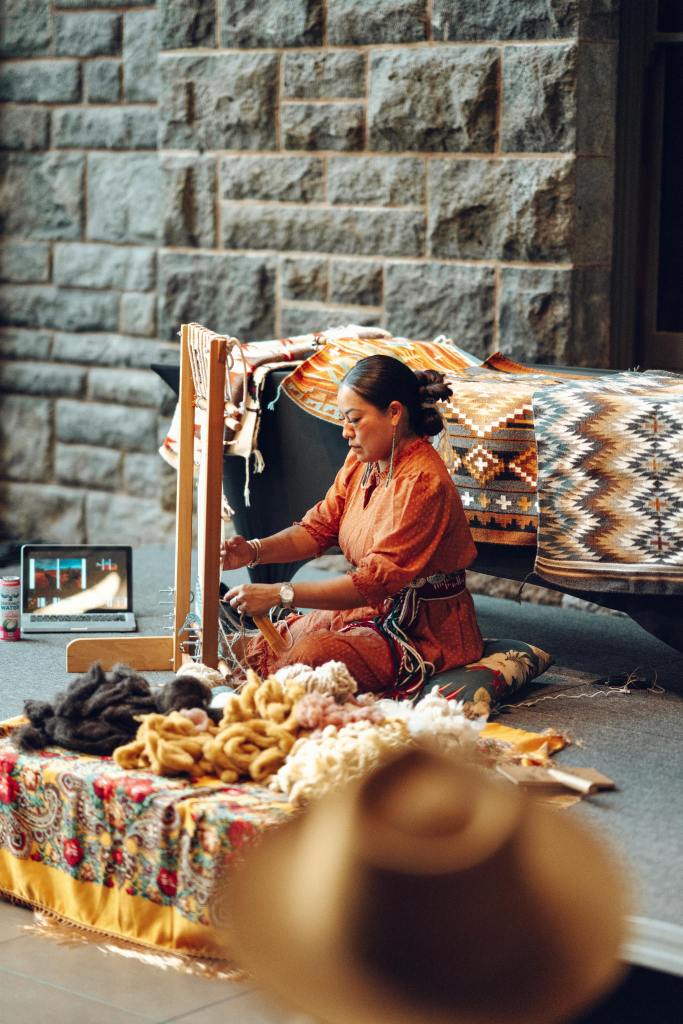
In many cultures, traditional wool garments carried symbolic meanings. Patterns, colors, and styles often indicated regional or family identities. Your grandmother’s sweaters might feature motifs unique to her community, turning them into wearable expressions of heritage and identity.
This ties into ethnology’s broader focus on material culture—the ways objects like clothing reflect social values, traditions, and history. Wearing such garments wasn’t just practical; it was a way of participating in a cultural story.
In today’s globalized world, much of this symbolism has been lost. Mass production has replaced unique, locally inspired designs with generic styles meant for mass appeal. Yet, vintage garments like your grandmother’s remind us of the rich cultural significance that clothing can hold.
Lessons From the Past
Your grandmother’s wool sweaters aren’t just durable—they’re a window into a way of life that valued craftsmanship, sustainability, and community. They remind us that clothing can be more than just functional or fashionable. It can be a reflection of who we are, where we come from, and how we relate to the world around us.
As we face environmental and cultural challenges today, there’s much we can learn from the practices of past generations. By valuing quality over quantity, reconnecting with traditional techniques, and embracing sustainability as a way of life, we can create garments that are not only built to last but also rich in meaning.
What does your oldest wool garment mean to you? Does it have a story to tell? Share it in the comments—I’d love to hear how your family’s traditions are woven into the fabric of your life.