Have you ever picked up your phone just to check one thing—only to look up an hour later, deep into a rabbit hole of random videos? Yeah, me too. So, I decided to quit.
Now, what is Digital Minimalism?
“Digital minimalism is a lifestyle that emphasizes reducing digital distractions and using technology intentionally. It focuses on prioritizing meaningful activities and real-world connections while eliminating time-wasting habits. The goal is to regain control over time and attention for a healthier relationship with technology.”
I don’t know who the author of this is, but it pretty much summarizes it.
THE HYPE
Digital minimalism is becoming a trend, as many other things ~
When I started my research, I came across extraordinary stories of people undergoing life-changing experiences by cutting technology out of their lives. Articles claimed that we had forgotten how to live and had become enslaved by our little gadgets. Social media posts warned users about their endless scrolling addiction (ironically, through social media itself).
Everything is easier said than done. We can read about the consequences and the harm digital dependency causes—on our planet, lives, health, and relationships—but experiencing it firsthand is different.
Did you know that there are digital detox retreats? Yes, you can actually pay someone to take away your phone for a period of time—and they’ll charge you for it! It almost feels like we are addicted to our devices. It’s sad, but where there’s a problem, there’s a business opportunity. Much like the obesity epidemic.
THE ONE-WEEK EXPERIMENT
As a scientist, I cannot endorse a theory without first subjecting it to the rigors of experimentation. Fine, I am not a scientist but curios enough... So, I tested the theory on myself and gently forced a friend of mine to join me.
First of all, I was never big on social media. I occasionally watched dumb reels (mostly what my sister and a friend sent me), but posting, following trends, and browsing profiles was never my thing. My real issue for a while was LinkedIn. Every time I scrolled through another designer’s profile and admired their work, self-doubt crept in—I started questioning my skills, intelligence, and even my career choices. Admitting this in front of people is hard, but writing about it feels easier.
Behance had a similar effect. Ever since I started this blog, I have learned something about myself. Some people said I was shifting away from my goal as a designer or UX professional, but I don’t think so. Quite the opposite, actually.
Day One: Breaking the Habit
During my week off LinkedIn, Behance, Instagram, YouTube, and all that jazz, the first day felt strange. I woke up and thought to myself: What now?
I could do anything. I reached for my phone a few times but resisted. I won’t lie—I really wanted to make excuses, thinking, Well, nobody will know. But that’s the biggest lie you can tell yourself. It doesn’t matter who knows; you will know. And you’ll fail to keep a promise to the one person who knows you best—yourself.
And oh my God, do I sound like a junkie.
People say that if something is on your mind, you should walk until it’s gone. So, I went for a walk.
I walked for two hours.
It was raining, so it wasn’t exactly fun. That first day was frustrating, so I decided to journal it. Remember at the beginning when I said I was never big on social media? I don’t think social media was the problem. It was the restriction I placed on myself. Before the experiment anytime I read something I would stumble across something, leave everything and look it up, or think of something, leave everything and look it up on my phone. The first three days I was constantly reaching to my phone, then leave it and then again, and again, and again... The problem was that I was forgetting what was I looking for during my struggle of “Should I look at my phone” phase – what a waste of time. So, I started taking notes, to the point where my desk looked like that scene from Bruce Almighty with the post it notes. I had so many distractions created by my own mind.
The Days That Followed
After the first day, things got easier. Those walks became somewhat of a habit—of course, I didn’t walk for two hours every day. I continued journaling, something I had never done before. I finally started the workouts I had been pushing back for years. My sleep quality improved. And most importantly—I felt significantly less stressed.
By the third day, I finally read an article that Bruno Grippay had shared with me weeks prior.
The Conflict between AI and the Living by Bruno Grippay
Strongly recommend checkin it!
Quite a timely revelation, I must admit. With so many distractions eliminated, I could fully immerse myself in it. His piece was about AI and nature—beautifully written. I can’t remember the last time I read an article without looking away for even a second. I know what you’re going to say—it’s the effect of the detox, fewer distractions, you get the idea. Maybe you’re right, maybe not. Either way, it was one of those rare pieces that make you think, analyze, and truly absorb knowledge. It even made me smile—not something that happens often.
I made a friend of mine go through this with me (or gently forced her—call it what you will). She, known far and wide for her endless scrolls through enchanted reels, faced a far greater challenge than I did. I made her keep a journal that I cannot share with you – data privacy... and she used a bit too much profanity. But I can summarize it – she didn’t enjoy the first few days, fell off the wagon few times – it was fine, I wasn’t mad – just extended her sentence 😊
During the detox, she initially felt restless or experienced - as she called it - FOMO (which apparently means fear of missing out) as she adjusts to being offline. However, as time passed, she began to notice greater mental clarity, improved focus, and a deeper connection to real-world activities (in her case wine tasting in the middle of the day...). Without constant notifications, she found herself more present in conversations, reconnecting with hobbies (wine tasting in the middle of the day). Trust me, I am seriously trying to remove all the funny language she used in her journal. Her sleep quality improved, stress levels decreased, and she gained a new perspective on her relationship with technology, realizing how much time was previously lost to mindless scrolling. She even claimed her skin improved... seriously doubt it.
WHY ARE WE SO HOOKED?
Ever wonder why you open Instagram for "just a second" and suddenly it's an hour later? It’s not a coincidence—it’s design. Social media platforms are engineered to keep us scrolling, and they do this by tapping into the same reward systems in our brains that make gambling addictive.
Every like, comment, or notification triggers a small release of dopamine—the brain's feel-good chemical. This creates a loop:
- You scroll → You get a reward (a like, an interesting post, a message) → Your brain wants more → You keep scrolling.
- Over time, our brains start craving this stimulation, making social media hard to resist—even when we know we should stop.
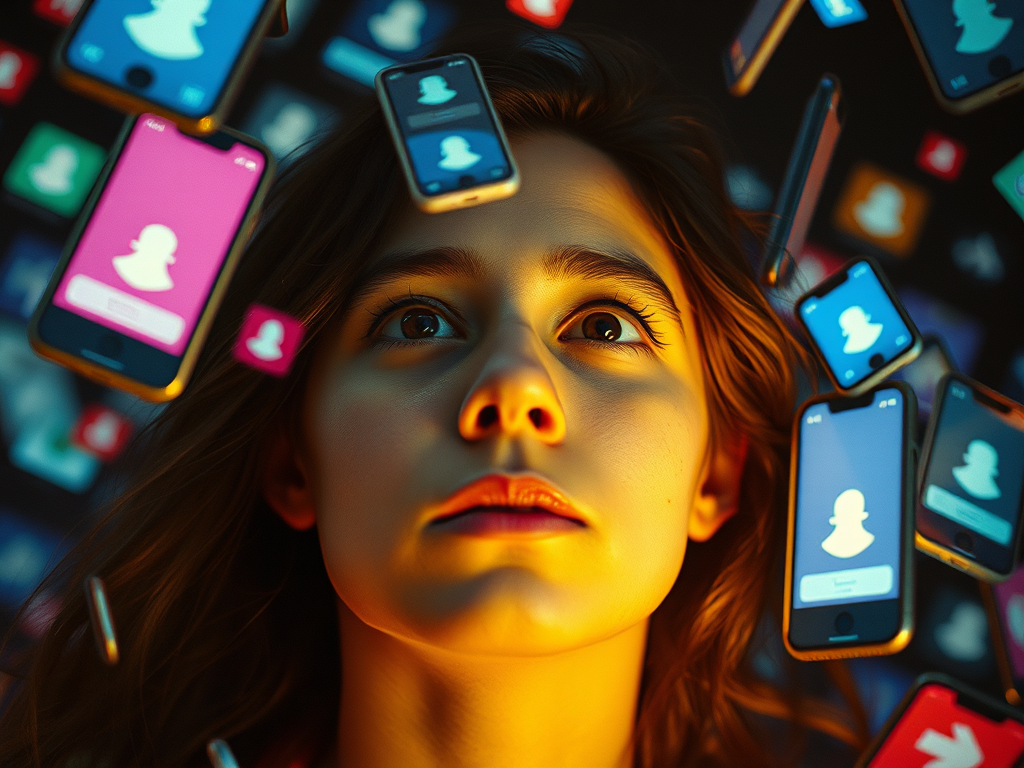
The Infinite Scroll Trap
Ever noticed that social media feeds never end? Unlike books or movies, which have natural stopping points, platforms like Instagram, TikTok, and Twitter use infinite scrolling to remove any friction that might make you pause and leave. This design keeps us engaged far longer than we intend.
What Studies Say About Screen Time and Mental Health
Research shows that excessive social media use is linked to higher levels of anxiety, depression, and poor sleep. Studies suggest that:
- People who spend more time on social media report feeling more lonely and less satisfied with their lives.
- The comparison effect (seeing everyone’s "perfect" life online) fuels self-doubt and low self-esteem.
- High screen time—especially before bed—disrupts sleep by interfering with melatonin production.
Yet, despite knowing this, we keep going back. Why? Because these platforms are designed to make quitting hard. But recognizing the tricks they use is the first step in breaking free.
It’s hard not to wonder how much responsibility designers bear in all of this—the very designers I aspire to become. If this is what it means to be one, I’m not sure I want it. But what if designers could be part of the solution instead, helping to clean up the mess we’re in?
COMPANIES WORKING ON PRODUCTS FOR DIGITAL MINIMALISM
As part of my research, I've been exploring a number of companies that are designing products with minimal features to help promote a simpler, less distracting digital experience. Brands like the Minimal Company and Light are at the forefront of this movement, creating phones that offer only the essentials—stripping away social media apps, notifications, and other distractions that often contribute to digital overload. These companies aim to give users a chance to reclaim their attention and time by offering devices that support a more mindful and intentional use of technology.
Personally, I haven’t yet explored these phones for a few reasons. For one, I already own a smartphone, and since I’m not in immediate need of a new device, replacing it doesn’t feel necessary – I am strongly against the waste culture that’s consuming our lives as well as our planet.
The honorable mentions:
The Light Phone strips the smartphone down to its essentials—calls, texts, and a few basic tools. No social media, no endless notifications, just a device that serves you instead of demanding your attention. It’s not about rejecting technology but using it with intention. And honestly, its small size makes it even more appealing—it’s just so damn cute.
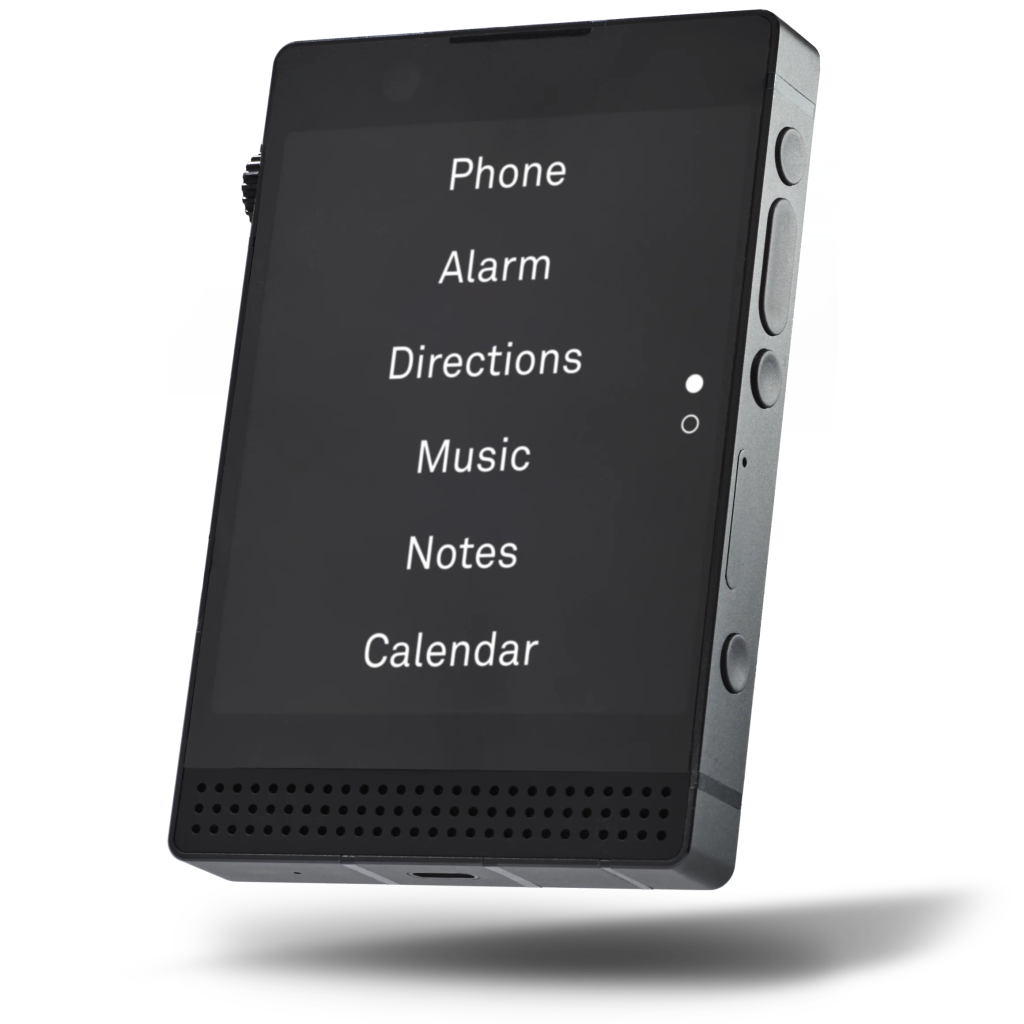
https://www.thelightphone.com/
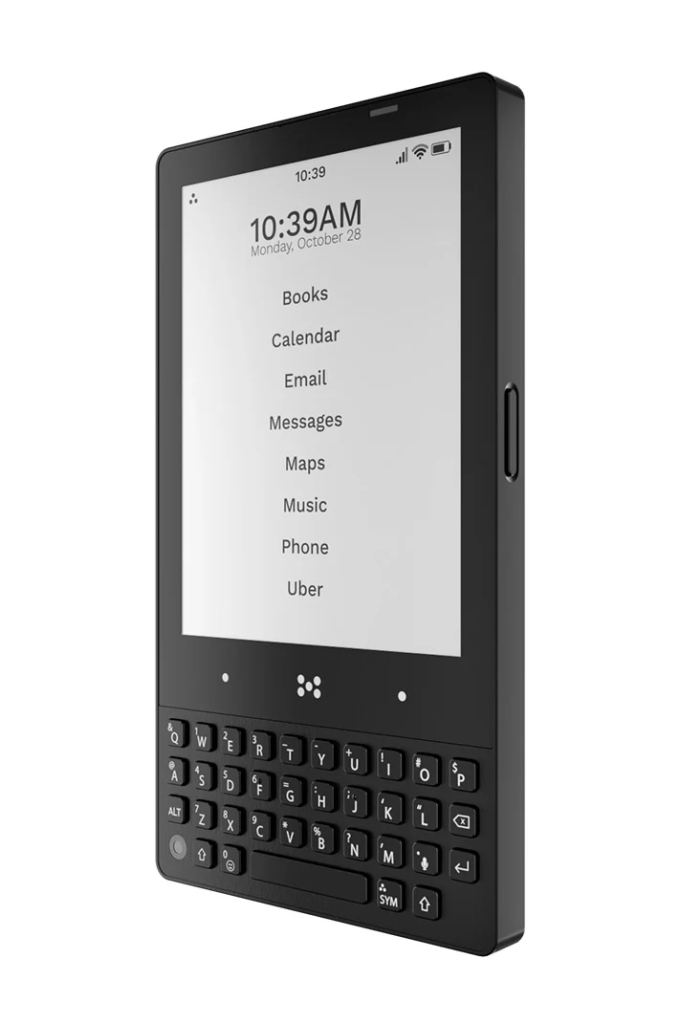
The Minimal Phone from the Minimal Company, which is gaining attention for its minimalist approach has just launched - and a nostalgic full QWERTY keyboard - an actual physical keyboard, with buttons and all! (I am a 90s kid; the excitement is real). If you’re someone who’s looking for a phone with fewer distractions and can wait for availability, this might be an option to consider. It's designed with simplicity in mind, offering only the most basic functions, and could be a good choice for anyone wanting to step away from the constant buzz of social media and notifications.
WRAPPING UP
I commute almost daily and as many of you have noticed people on the train, bus, tram, whatever, are on their phones – even drivers are constantly poking on the digital control panels of their vehicles. I cannot ever do this! Mostly because I fear I will miss my station... because it has happed before, not once actually. That’s why I don’t even read on public transportation. But that’s not our collective problem to solve 😊 Lately, I feel like a grumpy old lady, unimpressed by the so-called digital revolution. The more I dive into design, the more I see books, articles, and influencers teaching designers how to make users addicted to their apps.
Maybe it’s time to use this knowledge against them—like Perseus used Medusa against her—connect with like-minded designers and create our own Voltron to fight this madness. And that’s how I went from Greek mythology to an American animated series in one thought. But hey, maybe that’s just my brain, finally free from digital clutter. That, or it’s the detox talking...
I’m not against technology evolving; I’m against the mindless consumption and addiction that come with it. Maybe it’s time we start designing with that in mind.
As I write this, my phone sits quietly, no longer ruling my life, not really sure where it is at this very moment. As of the Queen of scrolls, however, is still in digital rehab. Will she make it? Stay tuned...
...just not on social media!