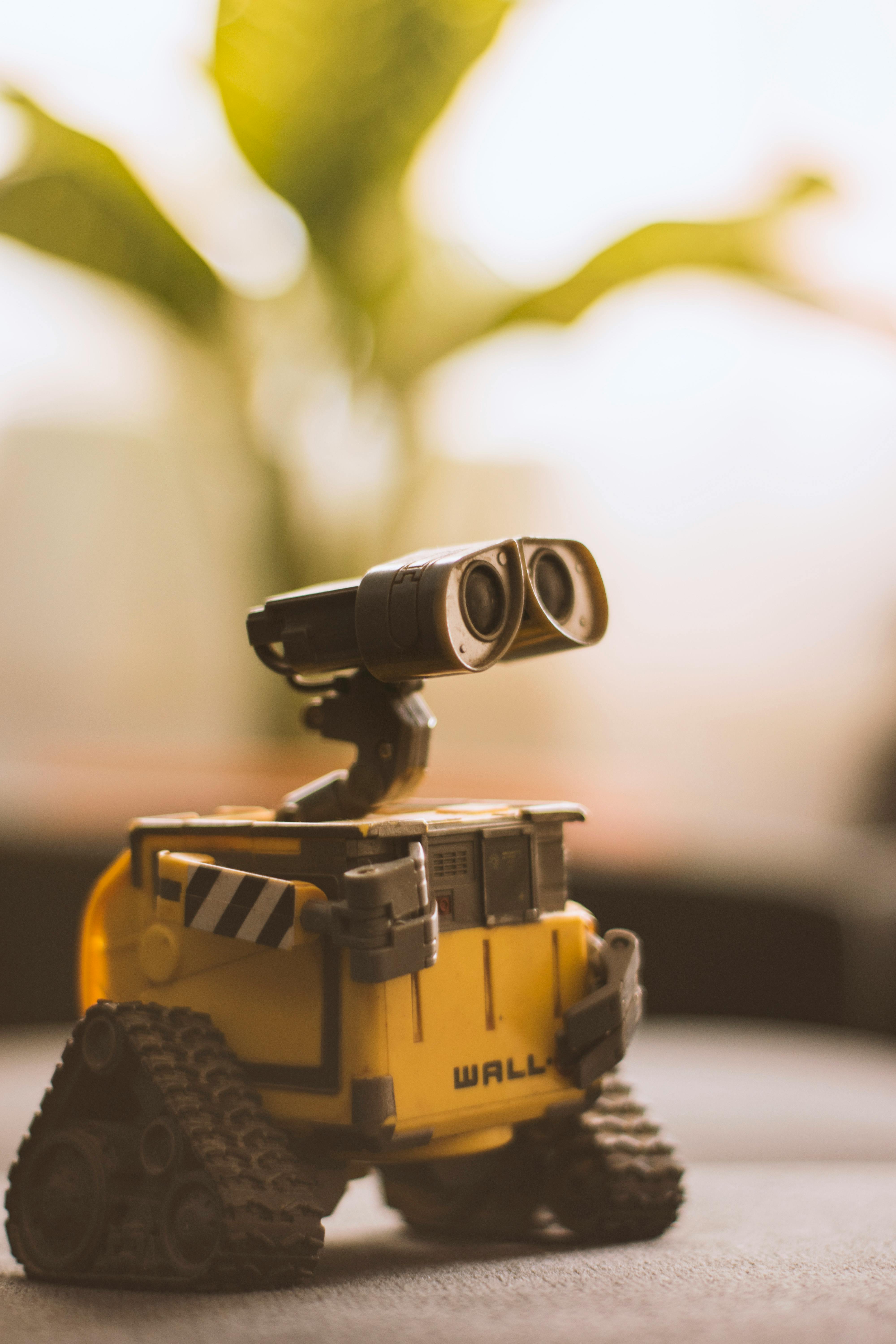
For a long time, I’ve had this quiet frustration lingering in the back of my mind: that design — especially digital design — is becoming too flat, too frictionless, too… mindless. Every time I encounter something that’s been stripped of all challenge “for the sake of simplicity,” I flash back to the world of WALL-E: humans reclining in floating chairs, screens inches from their faces, everything delivered instantly with zero effort. In the movie, their lives are “perfectly convenient” — and utterly devoid of curiosity, problem-solving, or engagement.
We seem to be drifting toward that reality in design: treating users as fragile or helpless, removing every ounce of friction until there’s nothing left to spark thought or skill-building. Simplicity has become a kind of design religion, where anything that takes more than two seconds to process is automatically seen as bad. But the truth is, people thrive when challenged — mentally, psychologically, even cognitively. Friction isn’t always the enemy. Sometimes, it’s what helps us learn, engage, and feel invested.
That changed after I watched an interview with Don Norman on ADPList. At one point, he said something that made everything click:
“Simplicity is complex.”
That was the moment I gave myself permission to write this.
Simplicity ≠ Shallow
Don Norman wasn’t rejecting simplicity. What he was really saying is that true simplicity isn’t just about reducing things until they’re empty. It’s about understanding what matters, and designing with intention. Simplicity, in its best form, brings clarity—not boredom. But somewhere along the way, especially in digital product design, we started confusing simplicity with superficiality. The result? Interfaces that look clean but feel sterile. Processes that are “easy” but leave no trace in our memory.
It reminds me of the book Don’t Make Me Think—a classic in UX by Steve Krug. First I want to acknowledgeI completely admire and appreciate this work! While it makes solid points about intuitive navigation, it feels like it was misinterpret by the mass... Every time I had a discussion with a designer on simplicity they would point out the book as an example to make their case: "Simplicity and removing complexity is the key to a great design, Gigi - see Steve Krug said it his title Don't make me think!" I don't belive that's what he is saying, but it was taken there. And that helped popularize the idea that users are basically primates who shouldn’t be expected to handle anything remotely complex. I get it—people are busy, and no one wants to “figure out” a broken interface. But does that mean we should treat users as if they’re incapable of thinking at all?
The Brain Craves Challenge
Here’s the thing: our brains need complexity. Not chaos—but challenge. We’re wired to solve problems, recognize patterns, and connect ideas. When everything is designed to be instantly consumed, we stop engaging deeply. We swipe, scroll, tap, and forget. But when design offers a little friction—when it invites curiosity or asks us to think—it can actually spark creativity. It gives us space to learn, to connect, and to grow.
This doesn’t mean interfaces should be confusing or hard to use. It means they can be layered. They can reveal depth over time. They can treat users not like consumers, but as participants.
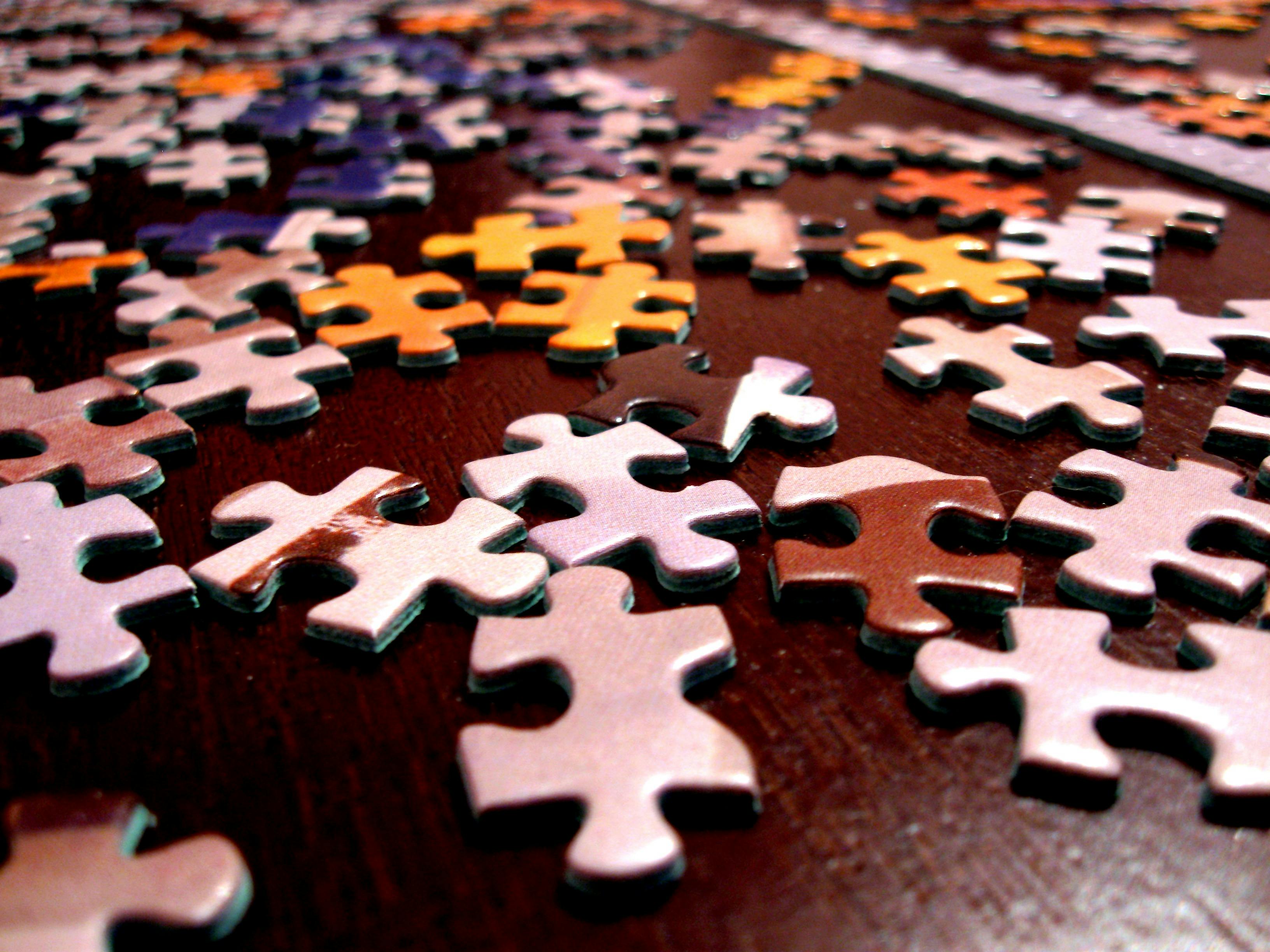
Let me give you an example. Think of a jigsaw puzzle. If all the pieces were already laid out in the correct order, side by side, where’s the fun? Where’s the challenge, the discovery, the satisfaction of making sense of the chaos? Now imagine giving that version of a puzzle to a child. What would their brain learn? How would it grow? It wouldn’t. Our brains don’t evolve by being handed the answers—they evolve through use, challenge, even a bit of frustration. That tension, that effort—it’s what builds understanding, memory, and meaning.
And this doesn’t just apply to puzzles or kids. Look at communities in developing countries—people who don’t have access to the latest technology or the luxury of convenience. Because they’re constantly challenged, they come up with ingenious solutions—hacks, tools, and systems that no privileged person, surrounded by comfort and automation, would ever think to invent. Challenge doesn’t just build resilience. It builds innovation. When you remove every obstacle “for the user’s sake,” you also risk removing their opportunity to engage deeply, adapt, or even grow.
I admit I may have taken this a bit far, but I hope you I am not boring you...
Complexity Isn’t the Enemy—Poor Design Is
There’s a difference between bad complexity and meaningful complexity. Bad complexity is when a system is chaotic, inconsistent, or just badly thought out. No one wants that. But meaningful complexity is when a product reflects the real depth of human needs, emotions, or skills—and guides users through it in a thoughtful way.
A great example of this is Duolingo. On the surface, it’s a fun, simple app. But underneath? It’s full of linguistic layers, smart repetition, and cognitive triggers. It makes you feel like you’re playing—but you’re actually learning. That’s the kind of design I admire: it doesn’t dumb things down, it meets you where you are and gently pulls you upward.
We’re Not Lazy. We’ve Just Been Trained That Way.
I also believe that part of the problem is cultural. Our education systems often reward speed over depth. We’re taught to get the “right” answer fast, not to enjoy the process of figuring things out. Recently I saw a post about Steve Jobs needing 18 seconds to answer a question, for some reason it became a moment for judgment, epiphany and God knows what else. It was seen as odd: “Even a genius like him needed 18 seconds to think”. Why was that so unusual? Giving a thoughtful and meaningful answer is more important - or am I wrong… So when people encounter something slightly complex, they’ve been conditioned to feel frustrated or dumb. But complexity isn’t the problem—it’s the lack of preparation for handling it.
Design could play a role in changing that. We could build products that invite people to use their brains more—not just get things done faster. We could design experiences that help people stretch, not shrink.
Design That Makes You Think (A Bit)
I’m not calling for confusing or elitist design. I’m asking for design that respects the human brain. That gives people space to explore and think—even just a little. Not everything has to be instant. Not everything has to be “delightful.” Some of the most valuable experiences come from effort, from discovery, from sticking with something that doesn’t reveal itself right away.
It’s like sleek, minimal design is dulling people’s senses. Maybe not for everyone—but still.
Think of an art studio of a painter - looks chaotic, messy even overwhelming for non creatives, but a heaven for this artist. Every paint stain, every half-empty bottle of paint is a piece of their heart, their soul - all if it inspires them, provokes them. Even your own desk as a designer - don’t pretend - It’s covered in Post-its, loose sketches, random ideas scribbled in three different notebooks.? How many gadgets do you have on your desk? Minimalism, simplicity and sleekness is not for everyone. People with a lot of noise in their minds strive in minimalistic spaces, but not all.

So maybe the question isn’t “how can we make this simpler?”
Maybe it’s “how can we make this worth engaging with?” - but please not addictive :)
It is like sleek and minimal design is dulling the senses of people, may be not all, but still…
Final Thoughts
Simplicity will always have its place in design. But simplicity without thought becomes emptiness. When we remove all friction, all surprise, all layers—we risk designing things that are forgettable. We also risk underestimating people. Good design doesn’t just smooth the path—it enriches the journey.
I’m glad I trusted myself to write this down. Maybe, just maybe, it’s time we stop being afraid of a little complexity—and start designing for the creative, thinking humans we really are.