Don Norman's insights in Design for a Better World highlight a profound truth about our surroundings: they are a product of human creation. We designed the world around us—including the “pretty lawns” in front of our houses and apartment buildings. This idea caught my attention and took me back to my childhood in Bulgaria.
(Yes, I know, childhood stories from Bulgaria—again! But bear with me.)
The Inspiration
In my very first post on this website—an imperfect little piece I wrote when I had no idea what I was doing—I briefly touched on gardening and shared my appreciation for it.
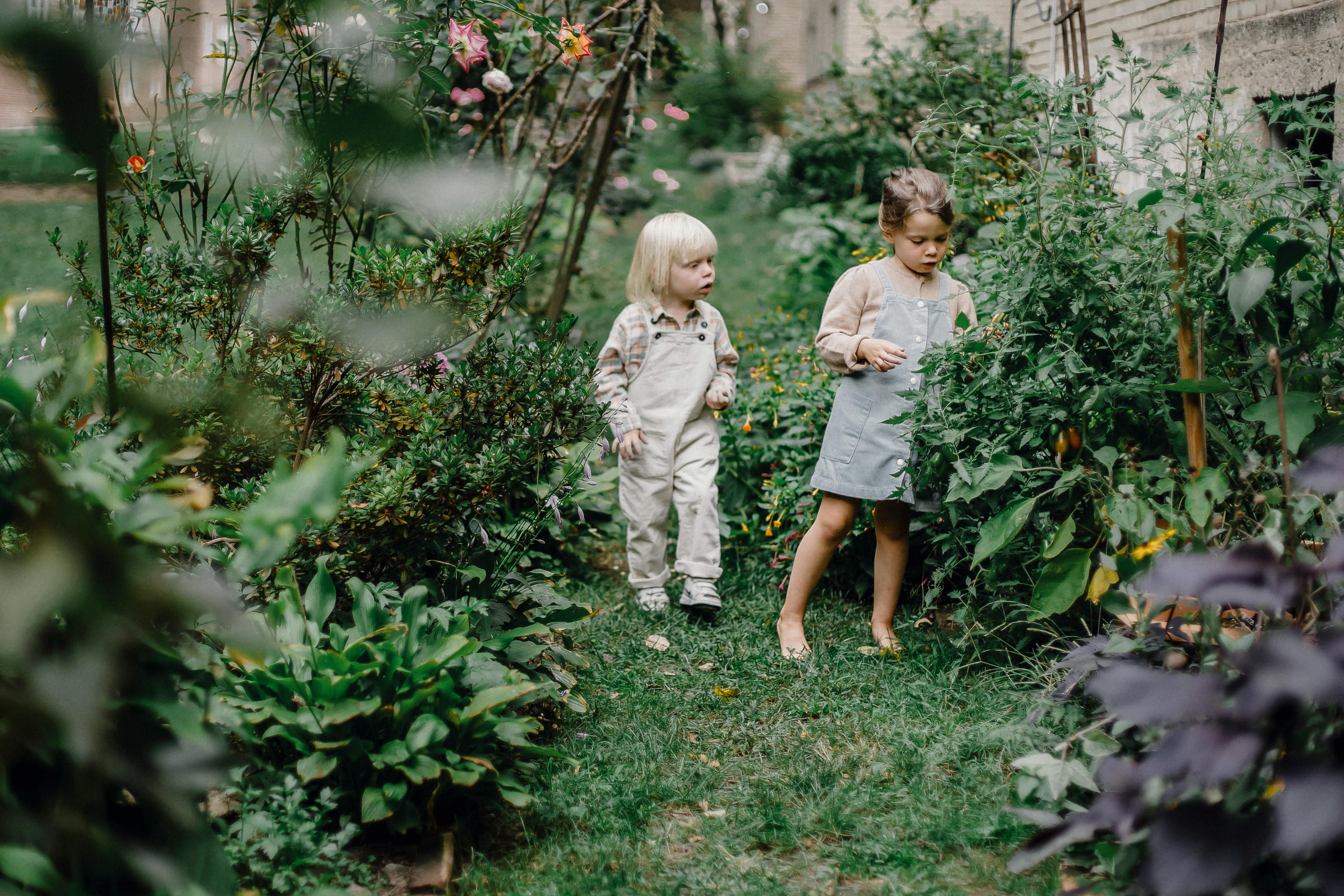
I grew up in Bulgaria in the 1990s, spending summers at my grandparents' house in the countryside, where we quite literally ate from the garden. People in the Balkans can relate: our gardens weren’t just pretty—they were practical. You could never go hungry in my grandma's garden. In summer, it was bursting with the colours of the rainbow in vegetable form, with fruit hanging from the trees. It’s still hard to believe how such a small garden could feed so many people and leave enough to preserve for the winter.
My grandma also kept chickens, a cow, a dog, and a cat—a standard countryside package in the Balkans. Until my university years, I didn’t even know how much 100 grams of walnuts cost. Why would I? I would simply grab a handful from the bucket at the pantry.
Growing up this way taught me that nature provides abundantly when we nurture it with care. Back then, terms like "farm-to-table" or "organic" didn’t exist. Everything had a purpose—from the compost pile that enriched the soil to the herbs growing along the fence that my grandma used for tea or remedies. (Although I would be lying if I said that was my grandma's main remedy, every Bulgarian and fellow Balkaner knows that the best medicine is alcohol—not necessarily for drinking. A teaspoon for pain and rubbing it on for flu or colds was the go-to solution)
These childhood memories shaped my perspective on sustainability and food security (not the alcohol part). They inspire my passion for edible gardens, urban greening, and sustainable living—ways to honour those roots and bring a piece of that simple, purposeful life into the modern world.
The Vision
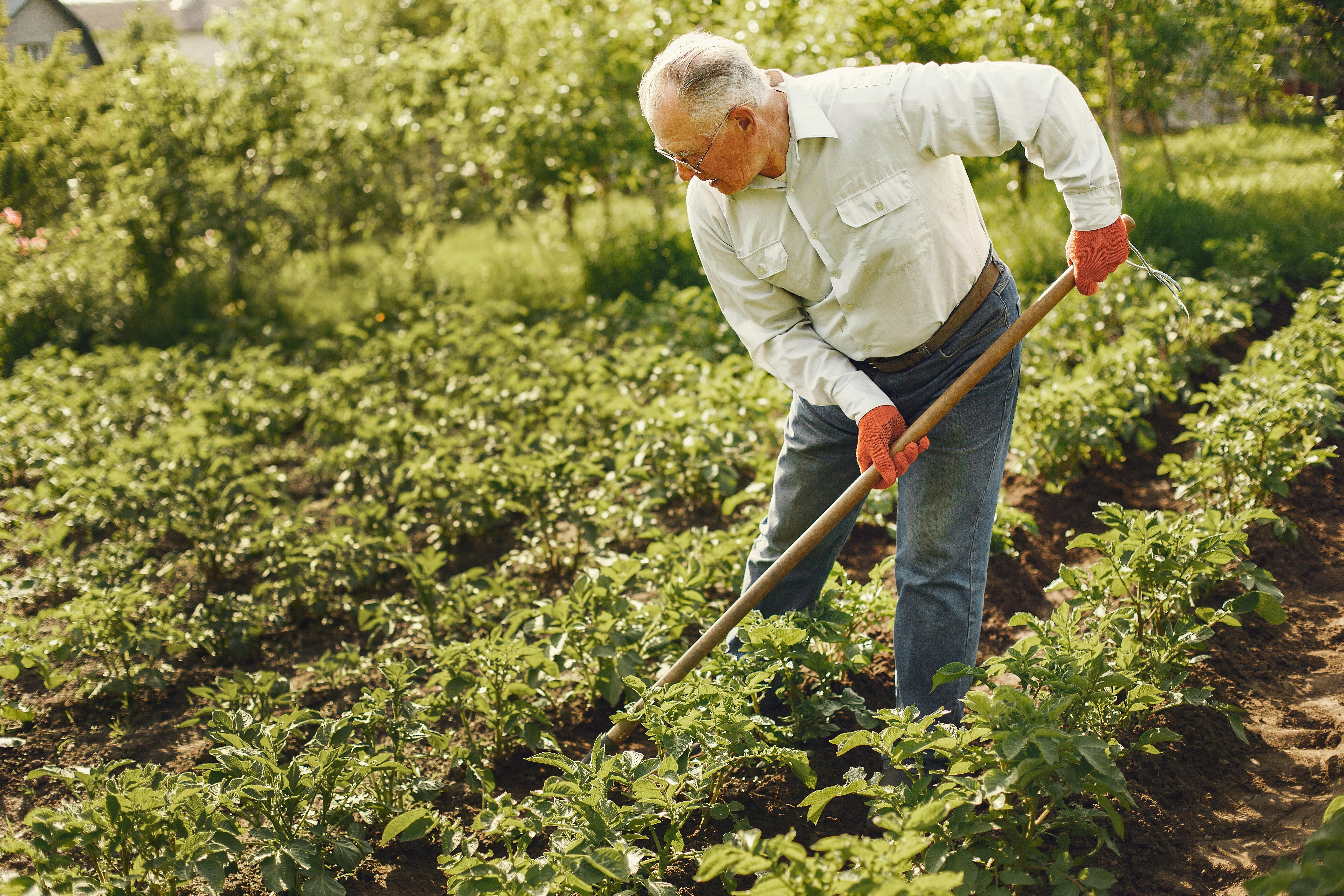
Picture this: gardens that are both beautiful and practical! Unlike the meticulously trimmed lawns you might see in Western neighbourhoods, these gardens are nature’s supermarkets right in people’s backyards.
Imagine walking through rows of colourful vegetables and fragrant herbs—a feast for your eyes and your dinner plate! These gardens prove that beauty and utility can coexist. They reflect the values of those who tend them: some may prefer a pristine green lawn, while others embrace the vibrant chaos of an edible garden. Both are valid expressions of what we hold dear.
This concept of blending modern living with self-sufficient practices is gaining traction under the banner of "modern homesteading." Urban gardening and community-supported agriculture not only provide fresh, organic produce but also foster a sense of community and connection to nature. It’s a way to honour the past while embracing the future, ensuring we don’t lose touch with the skills and values that sustained previous generations.
The Benefits of Urban Gardening
Urban gardening reimagines the concept of a garden, transforming balconies and backyards into lush, productive spaces. It promotes sustainability, enhances our health, and beautifies our surroundings.
- Environmental Impact: By prioritizing biodiversity, urban gardens reduce the urban heat island effect, purify the air, and create habitats for pollinators.
- Economic Benefits: Growing your own food cuts grocery costs and reduces reliance on mass-produced produce.
- Health and Well-being: Gardening is therapeutic—it reduces stress, encourages physical activity, and fosters a deeper connection with nature.
Green spaces also cool their surroundings, decreasing the need for energy-intensive air conditioning. A small garden, even on a balcony, can contribute to these benefits while providing fresh fruits and vegetables.
Ideas for Greener Urban Spaces
There are countless small but impactful changes we can make to green our urban spaces:
- Balcony Gardens: Even the smallest balcony can host a mini garden with pots of herbs, tomatoes, or strawberries. Vertical gardening solutions and railing planters make it possible to maximize space while adding greenery to your home.
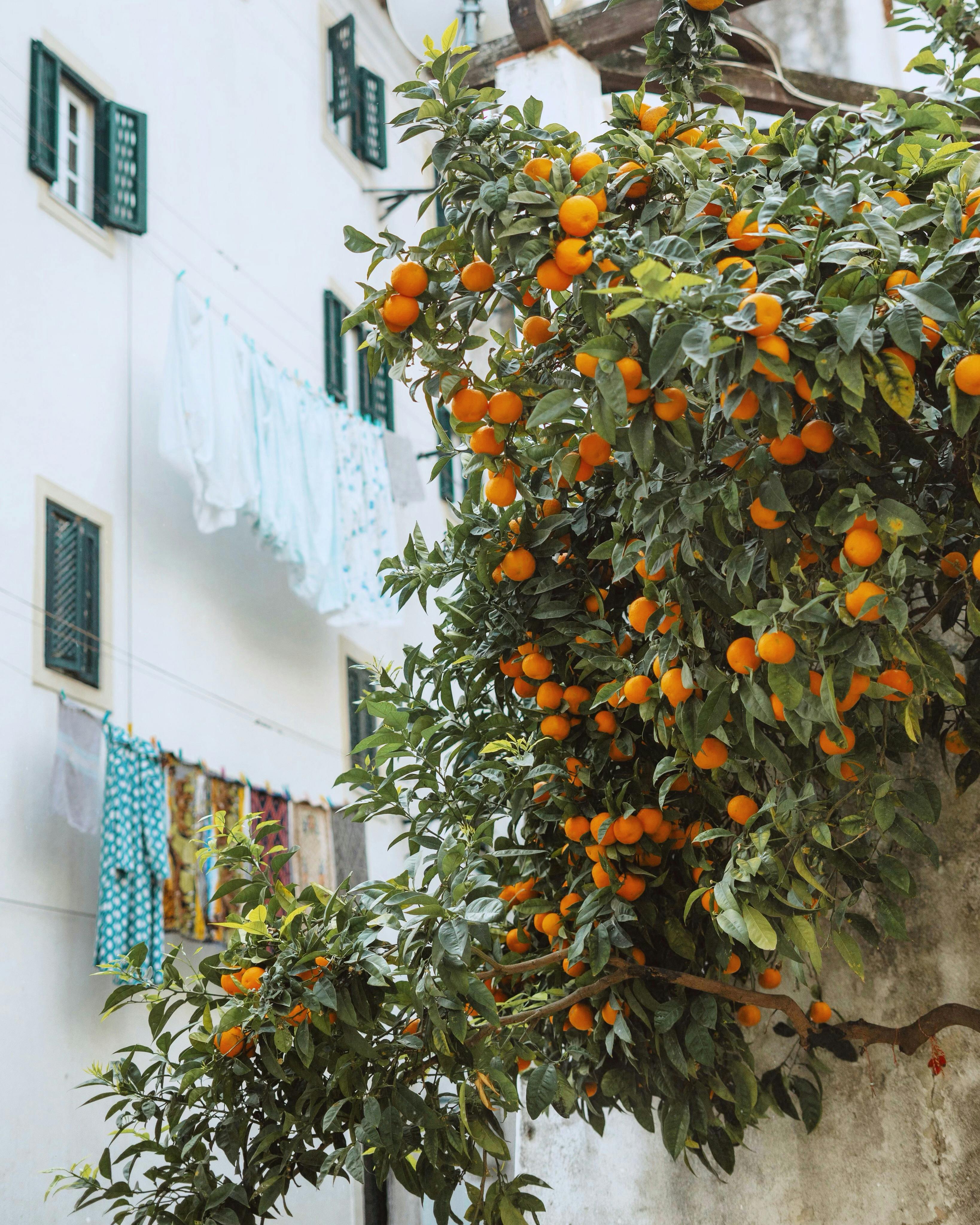
- Fruit Trees Between Buildings: Instead of purely ornamental trees, imagine apartment complexes lined with fruit-bearing trees like apples, cherries, or figs. These trees could provide shade, improve air quality, and even offer free fruit to the residents.
- Community Gardens: Transform unused urban lots into shared gardening spaces where neighbors can grow vegetables, herbs, and flowers. These spaces can foster community bonds while promoting local food production.
- Green Roofs and Walls: Rooftop gardens and vertical greenery not only beautify urban landscapes but also provide insulation, reduce the urban heat island effect, and create habitats for pollinators.
- Edible Landscaping: Replace traditional lawns with edible plants like berry bushes, and perennial vegetables. This approach can make public and private spaces both beautiful and productive. We had a blackberry bush that grew so much that it knock out the fence, so we removed the fence and trim the bush on the edges... now we have blackberry bush fence :) looks and tastes great!
- Shared Composting Initiatives: Encourage composting at the community level, turning organic waste into nutrient-rich soil for gardening projects.
These ideas illustrate how even slight changes can collectively contribute to transforming our cities into greener, healthier, and more sustainable spaces.

Global Example
Several cities around the world have successfully integrated green spaces into urban environments, much like the green corridors in Medellín, where nature thrives in the heart of the city. One prominent example is Paris' Green Walls (Les Murs Végétaux), where building facades are transformed into vertical gardens. These green walls help improve air quality, mitigate the urban heat island effect, and introduce much-needed greenery to dense urban areas, all while fostering biodiversity.
Another striking example comes from Tokyo, where urban farming projects like Shitamachi Tanbo bring rice paddies into the city. These small-scale farming initiatives not only preserve agricultural traditions but also contribute to local food security, reduce transportation-related emissions, and promote sustainable farming practices in urban areas.
Vancouver has also adopted a comprehensive approach through its Greenest City Action Plan. The city focuses on expanding green spaces, increasing tree canopy coverage, and developing green transportation corridors. These efforts ensure that nature remains an integral part of urban life, promoting a sustainable and healthy environment for residents.
In Copenhagen, the Green Roofs initiative contributes to sustainable urban development by encouraging the installation of green roofs on buildings. These roofs help reduce energy consumption, manage stormwater runoff, and improve biodiversity. They also offer much-needed green spaces in an otherwise built-up landscape.
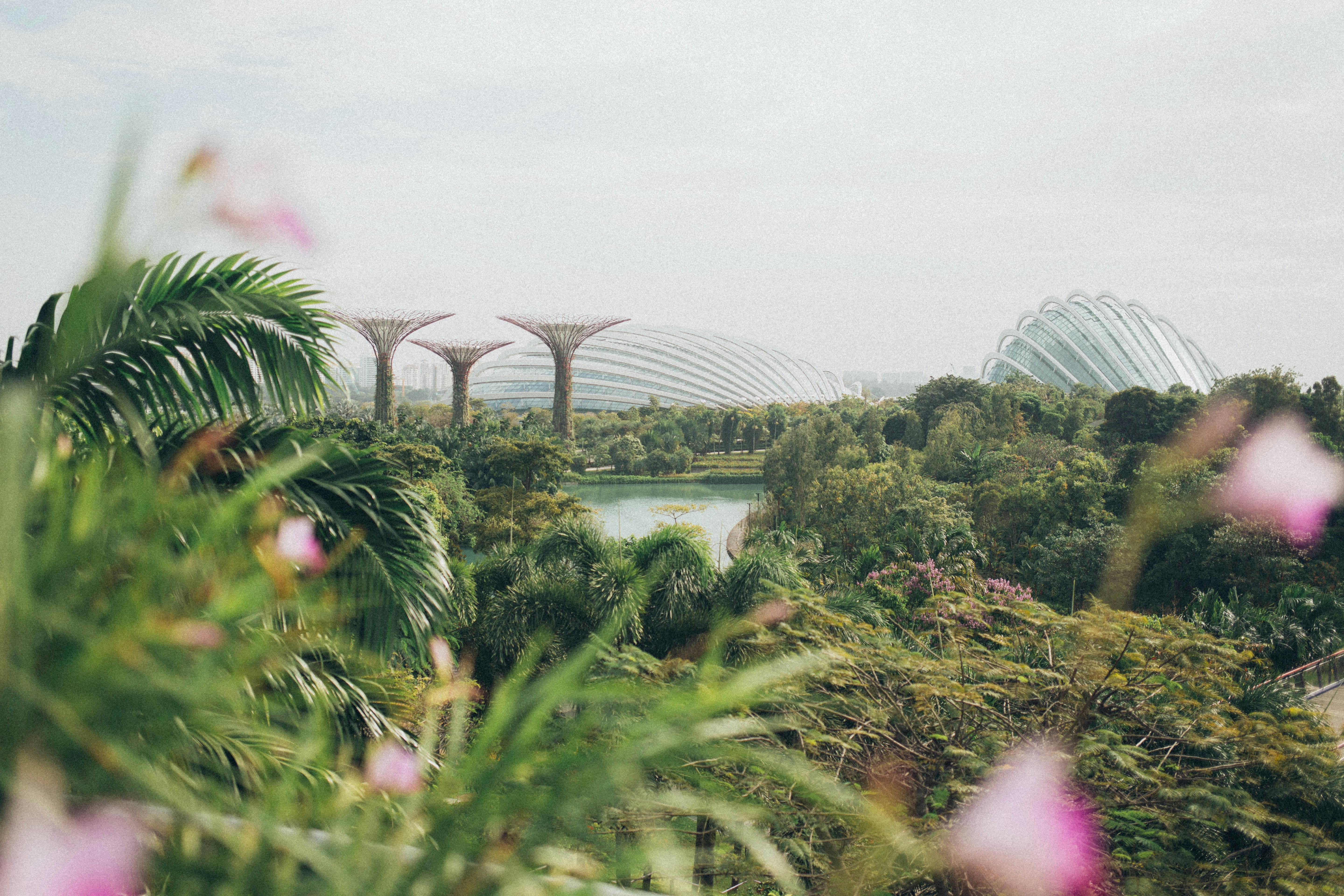
In Singapore, the Gardens by the Bay initiative stands out as a prime example of large-scale urban greening. This nature park incorporates sustainable features like energy-efficient cooling systems, rainwater harvesting, and showcases a range of plant species. The project serves as a symbol of how integrating nature into urban design can enhance both aesthetic and environmental outcomes.
Combining Technology with Nature
What if we could marry the sustainable practices of the past with modern technology?
Innovations like automated irrigation systems, vertical farming, and hydroponics make urban gardening more efficient and accessible. Solar power, rainwater collection, and advanced soil sensors can optimize resource use and reduce waste.
Technology also fosters community: apps that connect gardeners, share tips, and coordinate food-sharing initiatives enable people to participate in sustainable food systems without being experts. By merging the best of both worlds, we create a resilient, resource-efficient future.
Call to Action
Urban gardening is not just a trend—it’s a movement with the power to transform how we live, connect, and sustain ourselves. What can you do to make a difference?
As I’ve said before, we don’t need to walk barefoot and live off-grid to create a better planet. It’s about finding harmony—fusing technology, tradition, and sustainability to build a cleaner, greener future. (But honestly, have you tried walking barefoot on concrete? It hurts!)
Start small: grow herbs on your balcony, join a community garden, or advocate for green spaces in your neighbourhood. Every plant you nurture is a step toward a healthier, more sustainable world.

Let’s grow together. 🌱