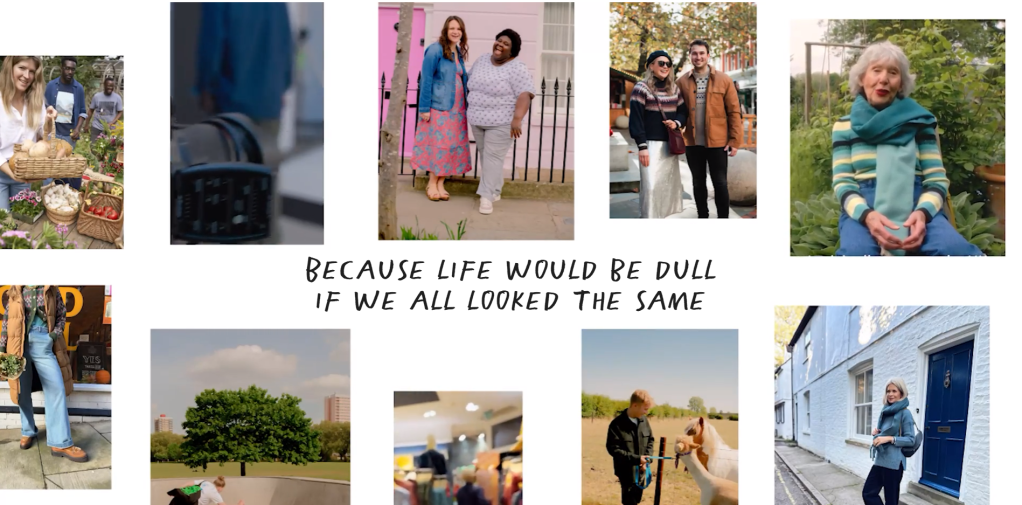
By the way – I love their moto… To an ethnologist, that sentence hits differently—it’s a reminder that celebrating diversity isn’t just about style, it’s about fighting the sameness that fuels racism and embracing the richness of our unique cultures and identities.
As a designer passionate about sustainability, I see design as more than aesthetics—it's about solving problems and creating systems that work better for people and the planet. This perspective is why my recent conversations with Dominik and Cathleen from White Stuff’s German branch resonated so strongly with me.
Through my work at Galeria Karstadt, I had the chance to learn more about White Stuff’s mission. Their dedication to sustainable fashion is inspiring, but it also got me thinking about how design—when approached with sustainability in mind—could help them go even further.
Fashion and UX may seem worlds apart, but the principles of thoughtful design apply to both. Let’s explore how White Stuff is getting it right, where they could improve, and how user-centered sustainability could shape their future.
The Importance of Being a Sustainable Brand
Sustainability is no longer optional for businesses; it’s a responsibility. Fashion, as an industry, contributes significantly to pollution and waste—about 10% of global carbon emissions come from the fashion industry. Brands like White Stuff are working to combat this by rethinking their materials, processes, and practices.
But why is sustainability so important for fashion brands, and why now?
Firstly, consumers are changing. More and more shoppers, especially younger generations, are demanding ethical and sustainable options. People want to know where their clothes come from, who made them, and how their purchase impacts the world. Brands that fail to adapt to this shift will quickly become irrelevant in an increasingly conscious market.
Secondly, the environment is at a tipping point. Climate change, resource depletion, and pollution are no longer distant problems—they’re crises that are affecting our daily lives. The fashion industry has an obligation to reduce its impact on the planet, and brands that prioritize sustainability now will not only protect the environment but also ensure the longevity of their business.
What White Stuff Is Doing Well
White Stuff has taken some great steps toward sustainability. Their use of organic cotton and recycled polyester reflects a genuine effort to minimize their environmental impact. They also prioritize ethical practices, which shows they care about the people making their clothes.
But what stands out most is their community-focused ethos. They’re not just selling clothes—they’re building connections. In many ways, White Stuff is already applying UX thinking to fashion, designing experiences that resonate with their customers.
That being said, as with any design challenge, there’s always room to refine and optimize.
Opportunities for Sustainable Innovation
Great design begins by identifying pain points and asking, "how can we make this better?"
Here are some areas where White Stuff could align design and sustainability to create a more seamless, planet-friendly experience:
The Material Mix: Polyester Challenges
White Stuff uses recycled polyester in many of their garments, which is a good step forward. But recycled polyester, especially when blended with cotton or wool, presents challenges.
- The Problem: These blended fabrics are nearly impossible to recycle at the end of their life. Separating the fibers is labor-intensive and expensive, meaning these garments often end up as waste. Recycled polyester also sheds microplastics during washing, which accumulate in our waterways.
- A Solution: Instead of focusing on blends, White Stuff could explore mono-material designs. This would make it easier to recycle garments while maintaining quality. Imagine a jacket that’s 100% wool or a dress that’s 100% organic cotton, designed to be fully recyclable. They could also experiment with biodegradable alternatives to polyester, like fabrics made from agricultural by-products or plant-based innovations
Packaging: A Missed Experience Opportunity
Packaging is often an afterthought, but for customers, it’s their first tactile interaction with the brand. Currently, White Stuff ships garments in plastic packaging—a functional but unsustainable choice.
- The Problem: Single-use plastic packaging doesn’t align with White Stuff’s sustainability goals. Even recyclable plastics often don’t get recycled and instead contribute to global waste.
- A UX Solution: What if packaging became part of the brand’s storytelling? White Stuff could use compostable materials, like kraft paper or plant-based polymers, that are both functional and eco-friendly. Alternatively, they could adopt a reusable system—imagine receiving your clothes in a durable, stylish bag that you can return for a small reward. This not only reduces waste but also creates a more engaging, memorable customer experience.
Transparency: Designing for Trust
Today’s consumers want to know the story behind their clothes: who made them, what they’re made from, and the impact they have. White Stuff provides some of this information, but there’s room to do more.
- The Problem: Without clear, detailed transparency, customers may struggle to fully connect with the brand’s sustainability mission.
- A UX Solution: Transparency can be integrated into the product experience. Picture a QR code on every garment tag that links to a detailed story about the product—where it was made, the materials used, and its lifecycle impact. This small design addition would make sustainability tangible and accessible for customers.
Bridging Design and Sustainability
What I love about design is its ability to turn challenges into opportunities. At its core, it’s about improving systems and experiences—and sustainability fits naturally into this process. For White Stuff, this could mean embracing circular design principles. For instance, designing repairable garments with easily replaceable buttons or patchable fabrics would make products last longer, while including care guides could empower customers to extend the life of their clothing. Additionally, implementing a take-back program would allow customers to return old clothes, which could then be repurposed or recycled, closing the loop in a meaningful way. Collaboration with material scientists or sustainability-focused start-ups could also open doors to cutting-edge solutions, fostering innovation within the brand.
I hope White Stuff is already exploring these concepts or has plans in place to take such steps. It’s exciting to imagine how they could further align their design process with their sustainability mission, creating not just great products but meaningful connections with their customers. These initiatives wouldn’t just enhance sustainability—they would also deepen customer loyalty by showing that White Stuff cares about the planet and its people
Why Design and Sustainability Belong Together
Sustainability is important not just because it's fashionable, but because it's the right thing to do. The fashion industry is one of the largest polluters globally, and companies like White Stuff are showing that you can balance style with a responsibility to the planet. The world needs more brands to step up and make bold changes.
Fashion is about self-expression, but it’s also about systems: how clothes are made, how they’re used, and what happens when we’re done with them. As a UX designer, I see sustainability as an opportunity to reimagine these systems, making them not only more efficient but also more meaningful.
White Stuff has already made impressive strides, but by blending thoughtful design with a commitment to sustainability, they could become a leader in creating fashion that feels good, looks good, and does good.
What do you think? How can we design a more sustainable future for fashion? Let’s share ideas and keep the conversation going.